Insulation That Actually Works in South Texas Heat

Why Standard Insulation Falls Short Here
South Texas isn't like the rest of the country. With summers pushing past 105°F and humidity that never quits, energy efficient home insulation in South Texas requires a different standard entirely.
Most production builders install the minimum. That works in Chicago — not in McAllen. The wrong insulation strategy means your AC runs constantly, your energy bills climb, and your home never quite cools down.
The Materials That Make the Difference
Two upgrades consistently outperform everything else in the RGV climate:
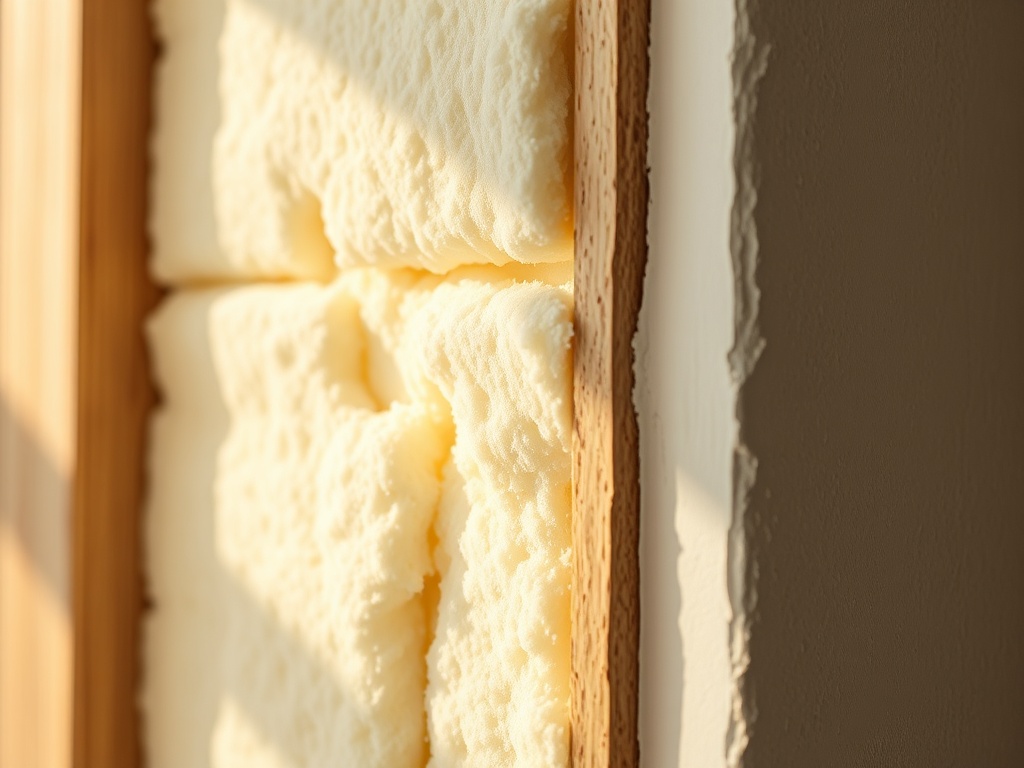
- Spray foam insulation: Closed-cell spray foam delivers a high R-value per inch — typically R-6 to R-7 — while sealing air gaps that batting insulation simply can't address. Fewer gaps means your conditioned air stays inside.
- Heat reflective roofing materials: A reflective roof membrane or cool-roof shingles can deflect up to 85% of solar radiation before it ever enters your attic. Combined with proper attic ventilation, this is one of the highest-impact upgrades available.
Together, these two systems work as a thermal envelope — reducing cooling costs in the RGV by keeping heat out rather than just reacting to it.
How EJS Trade Builds for This Climate
Every EJS Trade home is designed around South Texas conditions from the ground up — not adapted from a national template. Insulation specifications, roofing materials, and ventilation are selected together, not as afterthoughts.
The result is a home that performs on the hottest day of August just as well as it looks on moving day. Comfort isn't a feature we add — it's how we build.
Ready to build smarter in South Texas? Contact EJS Trade to start your custom home conversation and learn how we engineer for the heat you actually live in.