Exterior Materials That Actually Hold Up in South Texas Heat and Humidity
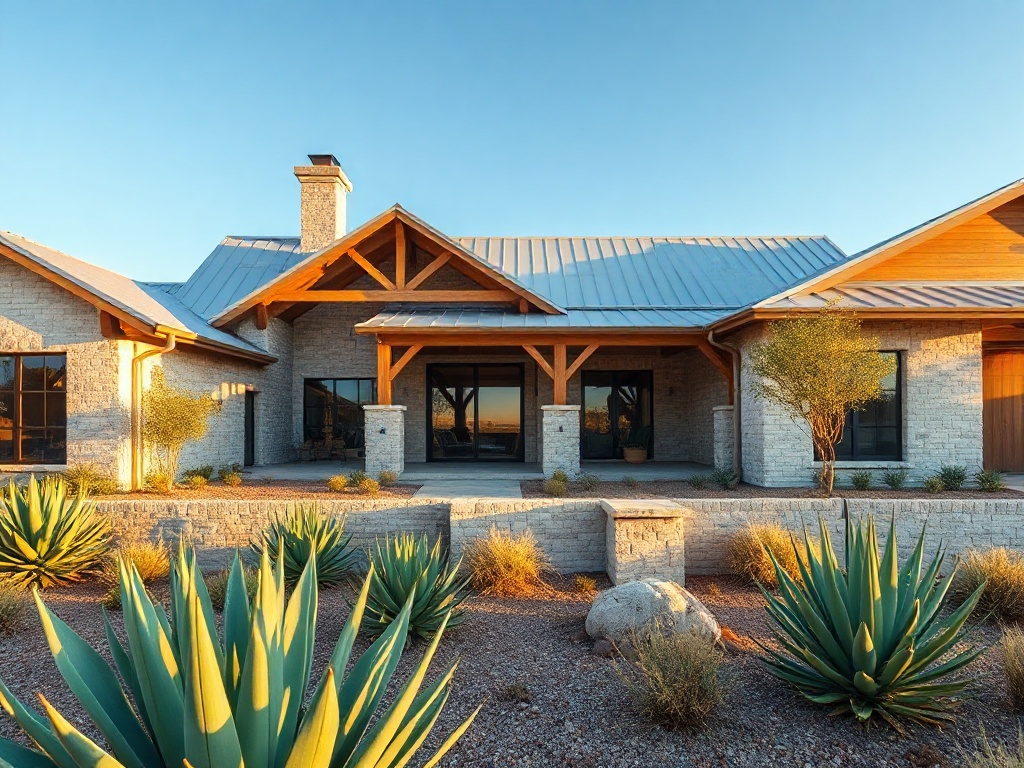
Why South Texas Is Harder on Homes Than Most Builders Admit
The Rio Grande Valley doesn't just get hot — it gets hot and saturated. That combination accelerates rot, warping, and mold growth on materials that perform beautifully in drier climates.
Choosing the wrong exterior material isn't just an aesthetic mistake. It's an expensive one that compounds every summer.
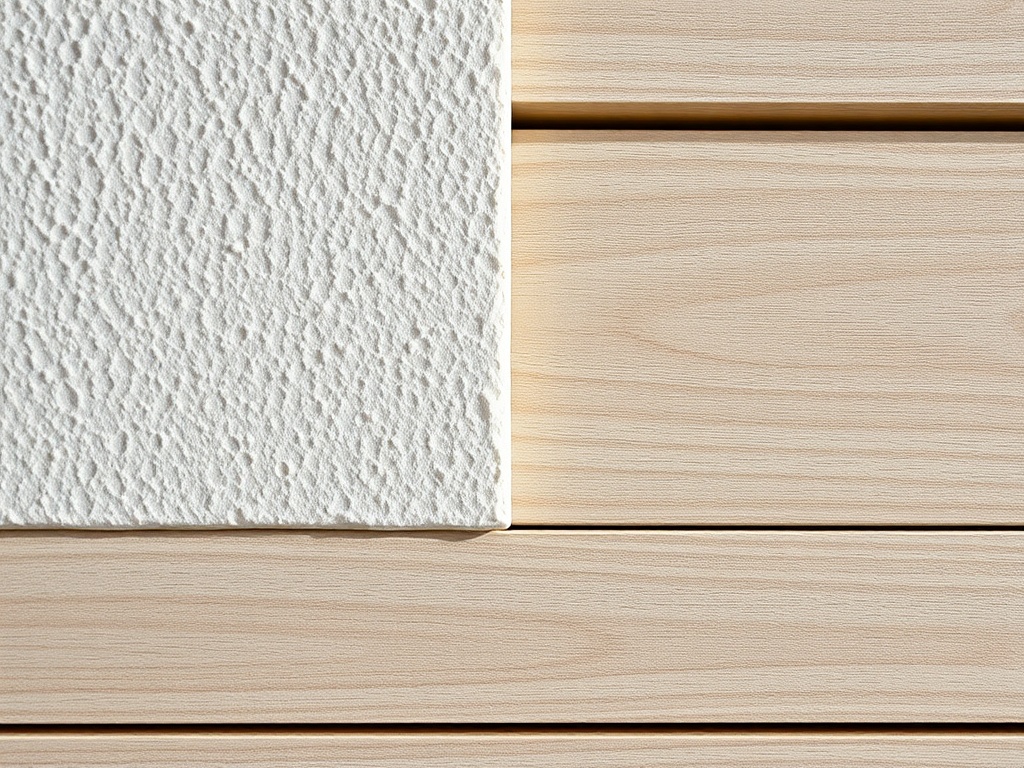
The Best Exterior Materials for a Hot and Humid Climate
When building a custom home in South Texas, your material shortlist should start here:
- Fiber cement siding — Resists moisture, insects, and UV degradation. The gold standard for preventing mold and moisture in new homes.
- Stucco with proper waterproofing — A regional classic that works when installed correctly with the right moisture barriers.
- Brick and stone veneer — Naturally breathable, low maintenance, and built to outlast decades of humidity swings.
- Impact-rated concrete board — Ideal for durable home exteriors across the Rio Grande Valley, especially in wind-prone areas.
What to avoid: untreated wood siding and vinyl products with poor UV ratings. Both degrade quickly in prolonged heat and moisture exposure.
How Smart Material Choices Protect Your Investment Long-Term
The best siding for South Texas isn't just about looks — it's about how a material handles daily thermal expansion, driving rain, and humidity that rarely drops below 70%.
Proper installation matters as much as the material itself. Vapor barriers, ventilated wall assemblies, and sealed penetration points are what separate a home that ages gracefully from one that doesn't.
At EJS Trade, every material selection is made with South Texas conditions in mind — not copied from a national catalog. If you're planning a custom build in the Rio Grande Valley, let's talk about building something that lasts. Contact EJS Trade today to start your custom home conversation.