Hurricane-Resistant Roofing Materials: What RGV Homeowners Need to Know
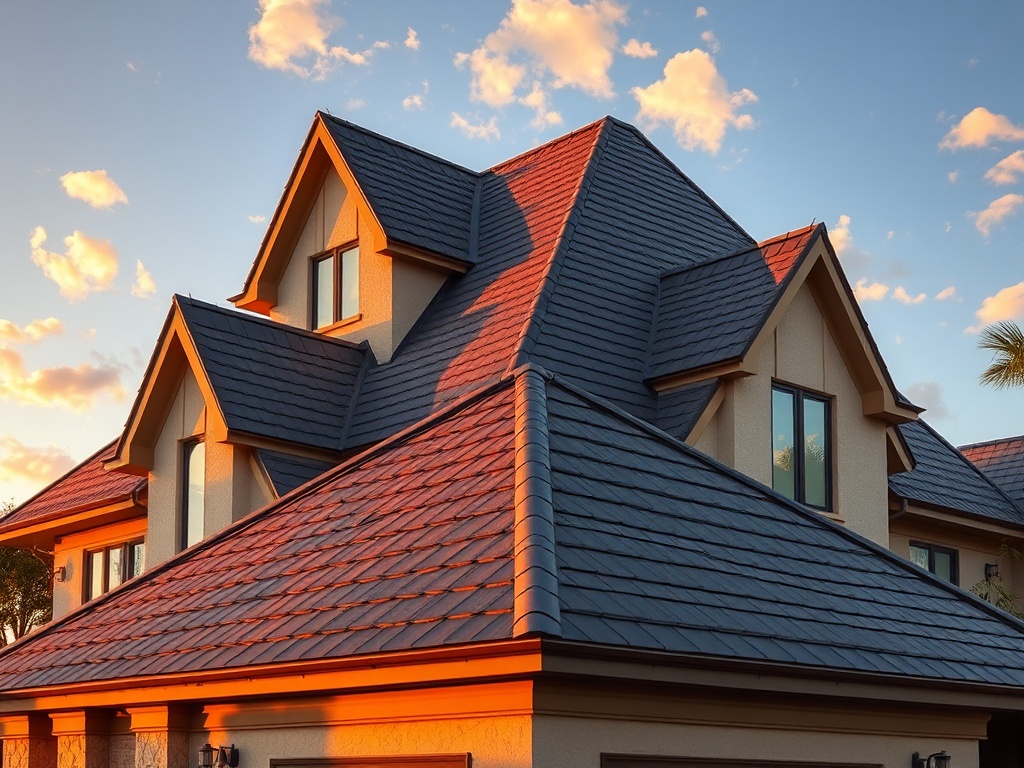
Your Roof Is Your First Line of Defense
In the Rio Grande Valley, roofing isn't an aesthetic decision — it's a structural one. Hurricane-force winds, driving rain, and relentless summer heat demand materials built to perform under pressure.
Choosing the right hurricane resistant roofing materials protects your investment and keeps your family safe when conditions turn severe.
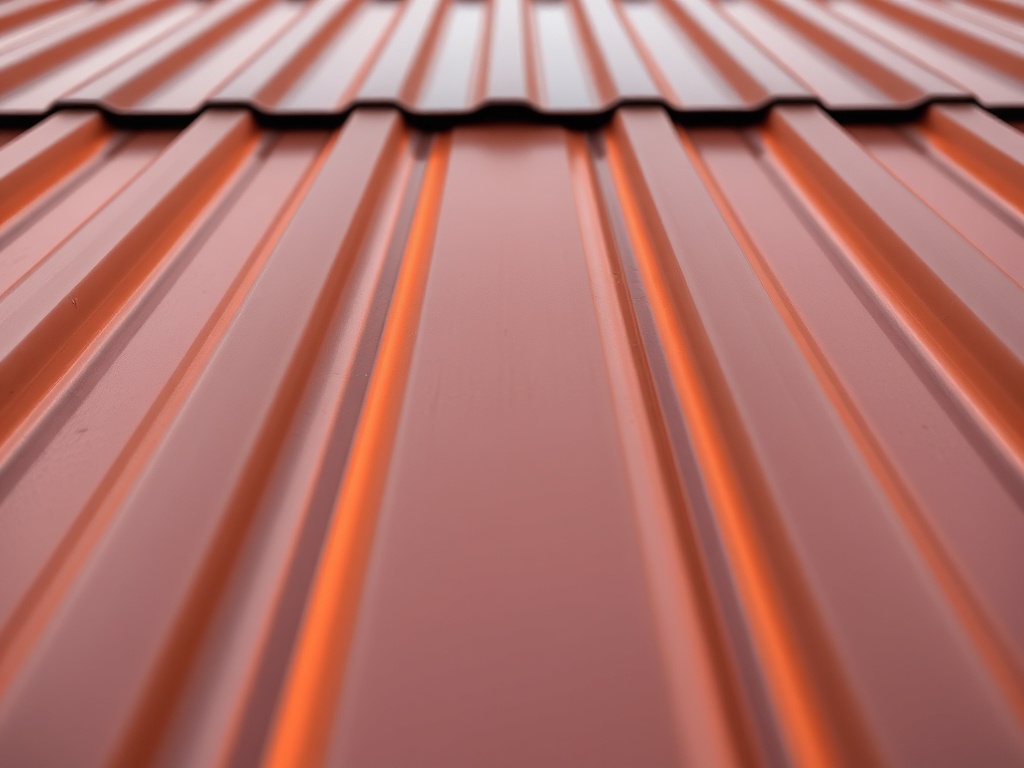
The Materials That Actually Perform in South Texas
Not all roofing is created equal. These are the options that consistently earn windstorm certification and hold up in real RGV conditions.
- Standing Seam Metal Roofing: The gold standard for metal roofing RGV homeowners trust. Rated to withstand winds exceeding 140 mph, virtually impervious to moisture intrusion, and built to last 40–70 years.
- Impact Resistant Shingles: Class 4 impact resistant shingles South Texas homes need — engineered to absorb hail and wind-driven debris without cracking or lifting.
- Concrete and Clay Tile: Dense, heavy, and naturally wind-resistant. Requires proper underlayment and fastening systems to perform at windstorm certified roofing standards.
- Modified Bitumen (Flat Roofs): Ideal for contemporary designs with low-slope rooflines. Multi-ply systems deliver exceptional waterproofing and puncture resistance.
Every material above can meet Texas Department of Insurance windstorm certification requirements — but only when installed correctly by an experienced builder.
What to Ask Before You Choose
Material selection is only half the equation. Installation method, roof pitch, and local wind exposure zone all affect real-world performance. The best roofing system is one designed specifically for your home's architecture and your neighborhood's risk profile.
- Is this material rated for our wind zone under TDI guidelines?
- What fastening and underlayment system will be used?
- How does this material perform with South Texas heat and humidity?
These aren't questions to skip. They're the difference between a roof that lasts and one that costs you again in five years.
At EJS Trade, we engineer every custom home from the foundation up — roofing included. Ready to build smart? Contact EJS Trade today and let's design a home built for where you actually live.