Insulation for Homes in South Texas: What Actually Works in the RGV Heat
Why Standard Insulation Falls Short in South Texas
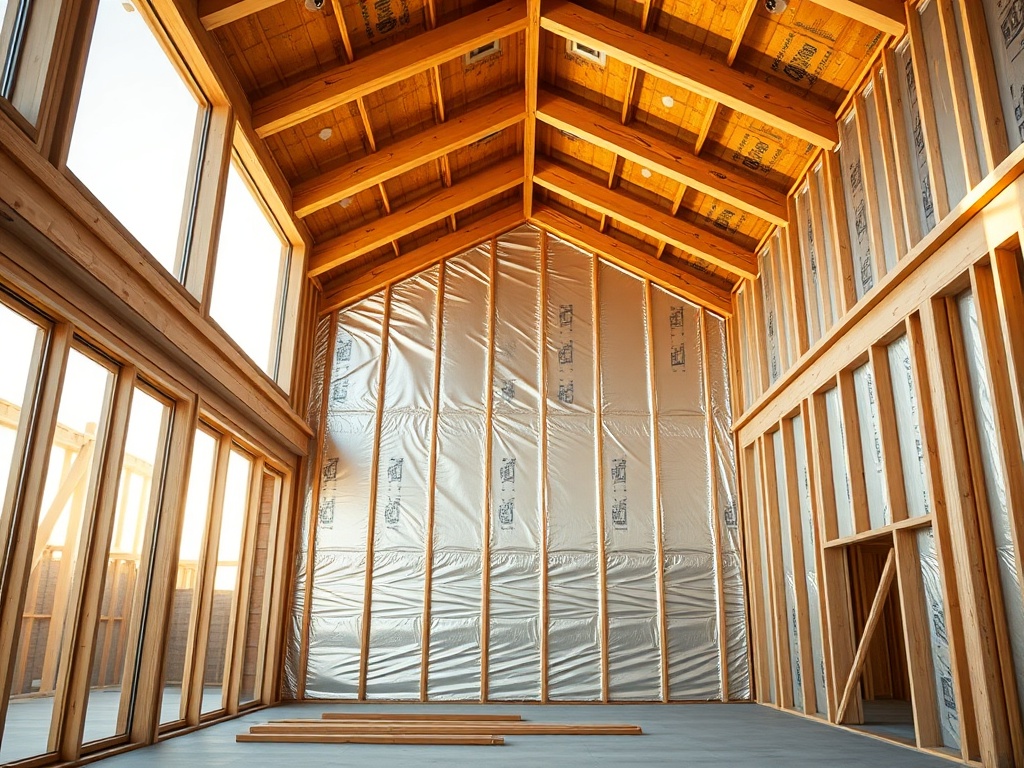
The Rio Grande Valley doesn't just get hot — it stays hot. Summers routinely push past 100°F, and your home's thermal envelope works overtime from May through October. Most national builders spec insulation for average climates. That's not your climate.
Insulation for homes in South Texas needs to account for intense solar gain, high humidity, and minimal overnight cooling. What works in Dallas or Denver won't carry its weight down here.
Spray Foam vs. Batt Insulation: The RGV Verdict
Batt insulation — the pink fiberglass rolls — is affordable and familiar. But in a subtropical climate, it leaves gaps that let conditioned air escape and humid air creep in. That's money leaving your home every hour your AC runs.
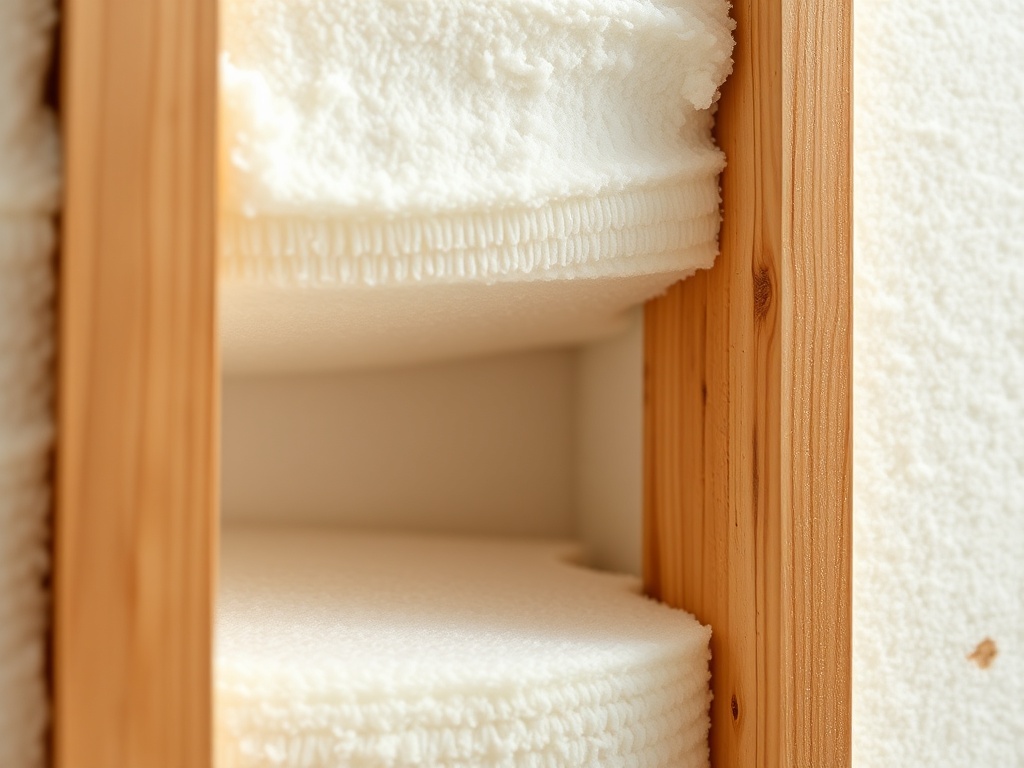
Spray foam insulation creates an air-sealed thermal barrier, not just a thermal layer. For reducing energy costs in the RGV, closed-cell spray foam in the attic and exterior walls delivers measurable results. It also resists moisture, which matters when humidity rarely lets up.
- Closed-cell spray foam — highest R-value per inch, moisture resistant, ideal for attics and exterior walls
- Open-cell spray foam — cost-effective for interior walls and soundproofing
- Batt insulation — suitable for interior partitions where air sealing isn't the priority
Building a Tight Thermal Envelope from the Start
Thermal envelope efficiency isn't one product — it's a system. Proper insulation works with your low-E windows, sealed ductwork, and radiant barrier roofing to keep cool air where you paid to put it. Retrofitting these systems later costs significantly more than building them in from day one.
When you design and build with South Texas in mind, your HVAC system runs less, your utility bills reflect it, and your home stays comfortable without fighting the climate every summer.
Ready to build smarter in the RGV? Contact EJS Trade to start designing a custom home engineered for South Texas living.