Rio Grande Valley Home Foundation Requirements: Building Smart on Expansive Clay Soil
Why South Texas Soil Demands a Different Foundation Strategy
The Rio Grande Valley sits on some of the most reactive clay soil in the country. When it rains, that soil swells. When it dries out, it shrinks — and your home's foundation moves with it.
Ignoring local soil conditions isn't just a risk. It's the leading cause of premature foundation cracks, door misalignment, and costly repairs that plague homes throughout South Texas.

What an Engineered Foundation in RGV Actually Looks Like
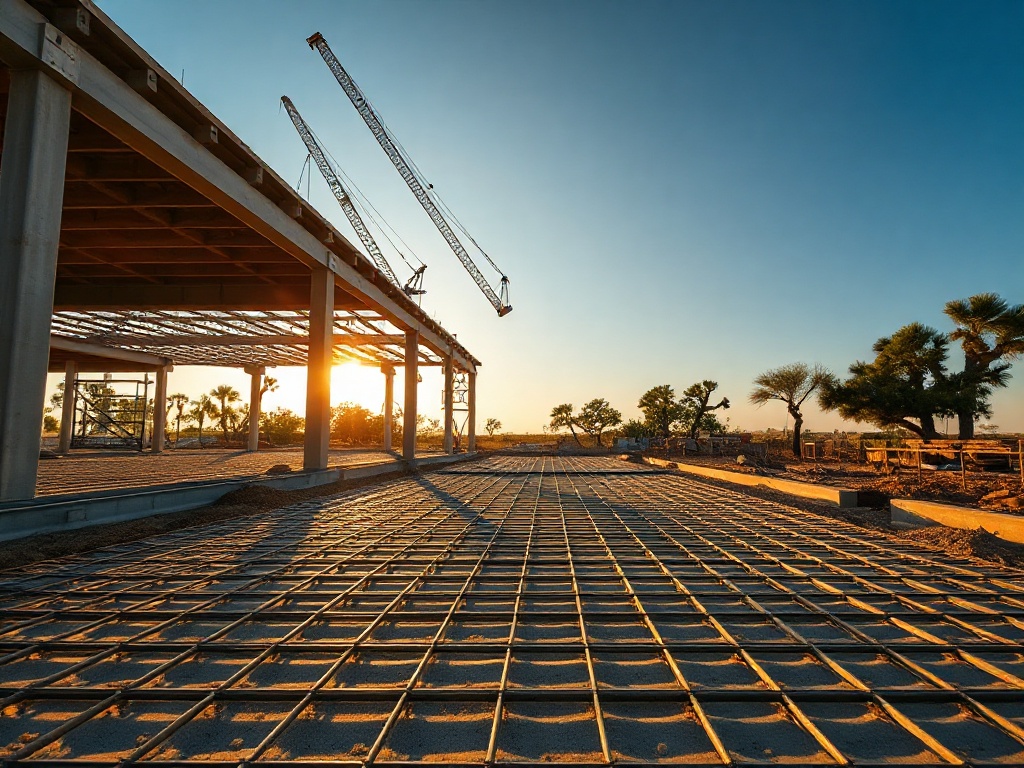
Rio Grande Valley home foundation requirements go well beyond standard building codes. A properly engineered slab for expansive clay soil typically includes:
- Geotechnical soil testing before design begins
- Post-tension or pier-and-beam systems designed for high-plasticity clay
- Deeper perimeter beams to anchor below the active soil zone
- Controlled moisture barriers to limit soil movement beneath the slab
Every EJS Trade home starts with a licensed structural engineer reviewing site-specific soil reports — not a one-size-fits-all slab spec pulled from a template.
How to Protect Your Investment Long-Term
Preventing foundation cracks in South Texas starts during construction, but it doesn't end there. Proper roof drainage, consistent landscape watering, and avoiding large trees near the foundation all reduce soil movement over time.
The right builder walks you through these details before you ever break ground — because a beautiful home is only as solid as what's underneath it.
Ready to build on a foundation you can trust? Contact EJS Trade in McAllen to discuss your custom home and how we engineer for the unique demands of South Texas soil.