Climate-Resilient Roofing Materials for South Texas Homes
Built for the Rio Grande Valley's Extremes
South Texas doesn't ask much of your roof — just that it survive relentless UV exposure, triple-digit heat, and hurricane-force wind gusts, sometimes in the same week. Choosing the right roofing materials for South Texas homes isn't a style decision. It's a structural one.
The RGV's climate is unforgiving: high humidity, intense solar radiation, and storm seasons that demand more than standard residential specs. Your roof should be engineered for this zip code, not borrowed from a builder's catalog designed for milder climates.
The Materials That Perform Here
Not all roofing systems are created equal under a South Texas sky. These are the options worth considering:
- Heat-reflective shingles (RGV): Architectural shingles with cool-roof technology deflect solar energy, reducing attic temps and cutting cooling costs significantly during peak summer months.
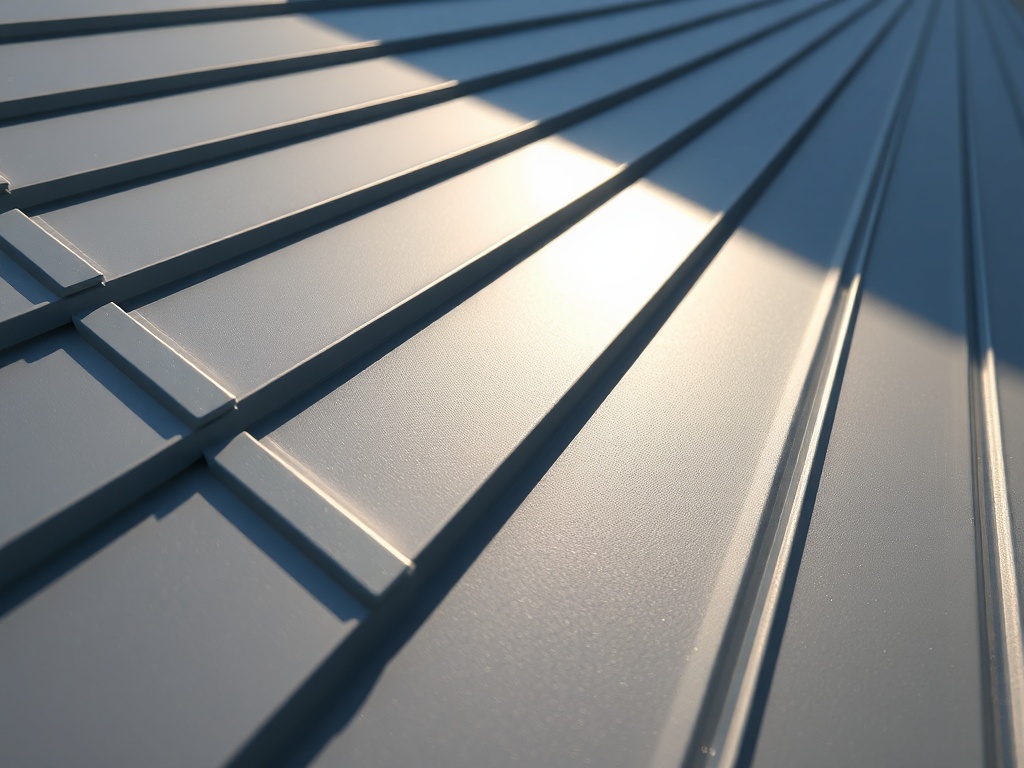
- Durable metal roofing for Texas homeowners: Standing-seam metal roofs offer exceptional longevity — often 40–70 years — with superior wind resistance ratings and excellent heat emissivity. They're a premium investment that compounds over time.
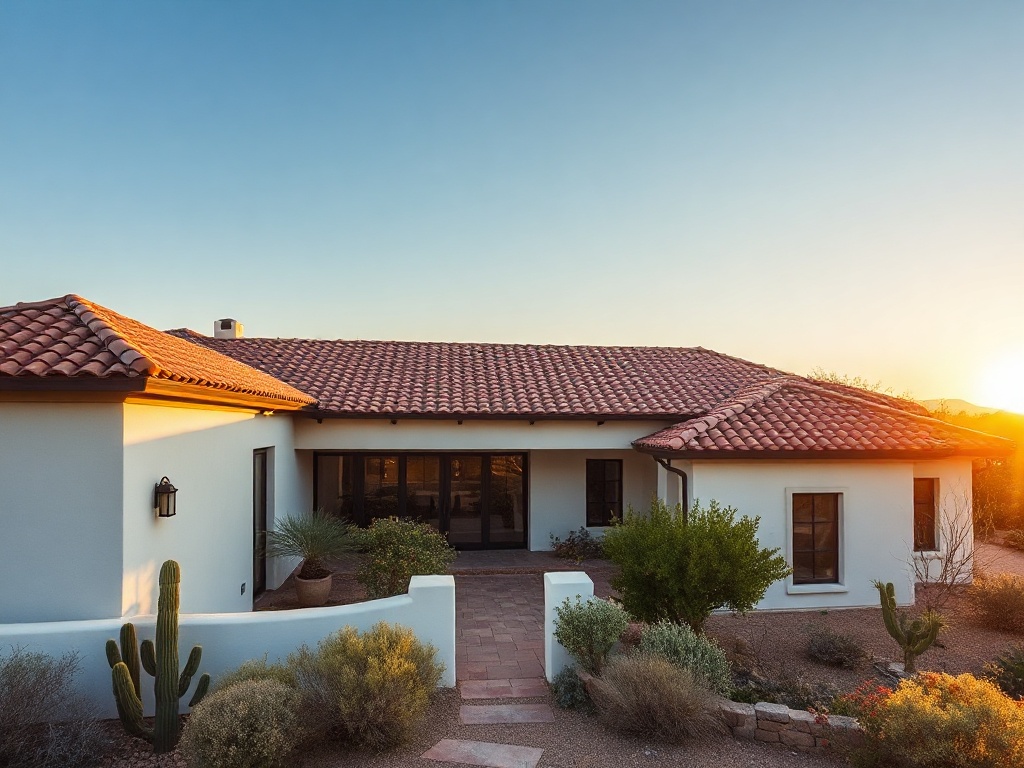
- Concrete and clay tile: A natural fit for the Valley's aesthetic and climate. Tile resists moisture, reflects heat, and handles high winds when properly installed with hurricane straps and correct underlayment.
- Impact-resistant shingles: Rated Class 4 for hail and wind uplift, these are engineered specifically for hurricane resistance and can lower homeowner insurance premiums in high-risk zones.
Each material has trade-offs in weight, cost, and maintenance. The right choice depends on your design, budget, and how long you plan to stay in your home.
Why Installation Matters as Much as Material
Even the best roofing materials fail under poor installation. In the RGV, that means proper ventilation design, code-compliant underlayment, and verified wind-uplift fastening — especially within miles of the coast.
At EJS Trade, every custom home is built with climate-specific material selections and installation standards that reflect the reality of living in South Texas. If you're designing a new home or evaluating your options, our team is ready to walk you through the right roofing system for your build.
Contact EJS Trade today to start your custom home conversation.