Designing for the South Texas Heat: Best Materials for Energy-Efficient Homes in the Rio Grande Valley
The RGV Climate Demands Smarter Building Choices
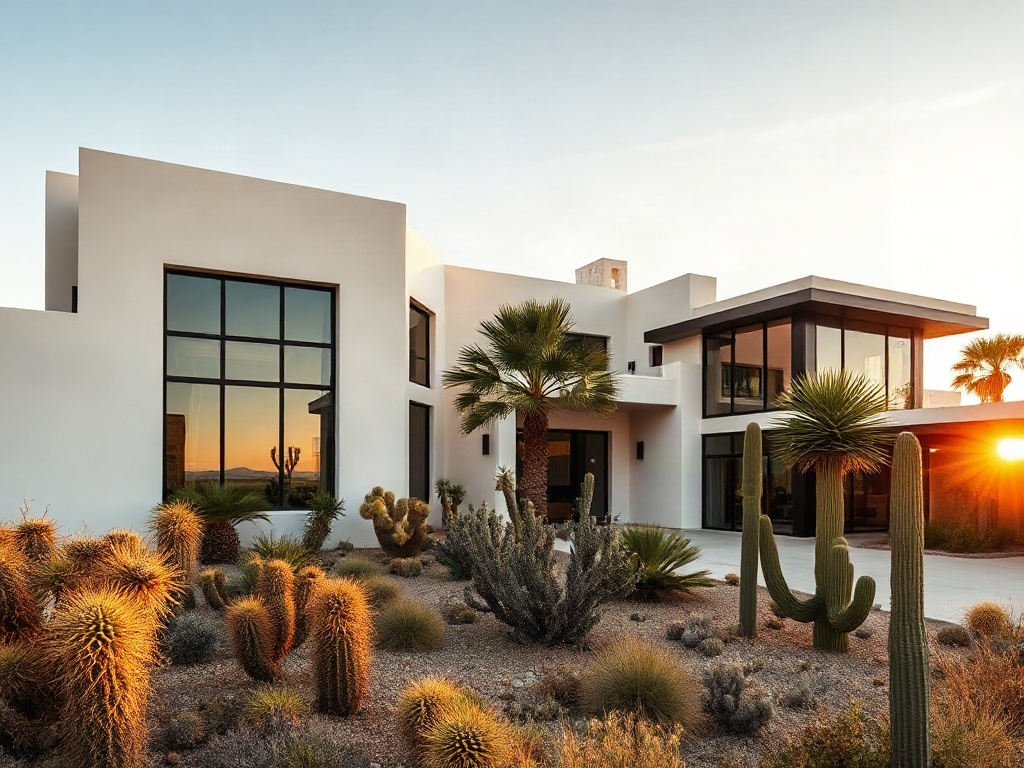
Summer temperatures in the Rio Grande Valley routinely exceed 100°F — and your home's materials either fight that heat or surrender to it. Energy efficient homes in the Rio Grande Valley aren't built by accident; they're engineered from the foundation up with the local climate in mind.
The right choices at the design stage mean dramatically lower electricity bills and a home that stays comfortable without working your HVAC to death.
Heat-Resistant Materials That Actually Perform
Not all building materials behave the same under intense South Texas sun. These are the ones that consistently deliver:
- Insulated Concrete Forms (ICF): Superior thermal mass keeps interior temperatures stable, reducing cooling loads significantly.
- Spray foam insulation: Seals air gaps completely — critical in South Texas where even small leaks spike energy costs.
- Reflective roofing membranes: Deflect solar radiation before it penetrates your roof deck, one of the highest heat-gain points in any home.
- Low-E impact windows: Block infrared heat while preserving natural light — a non-negotiable in the RGV.
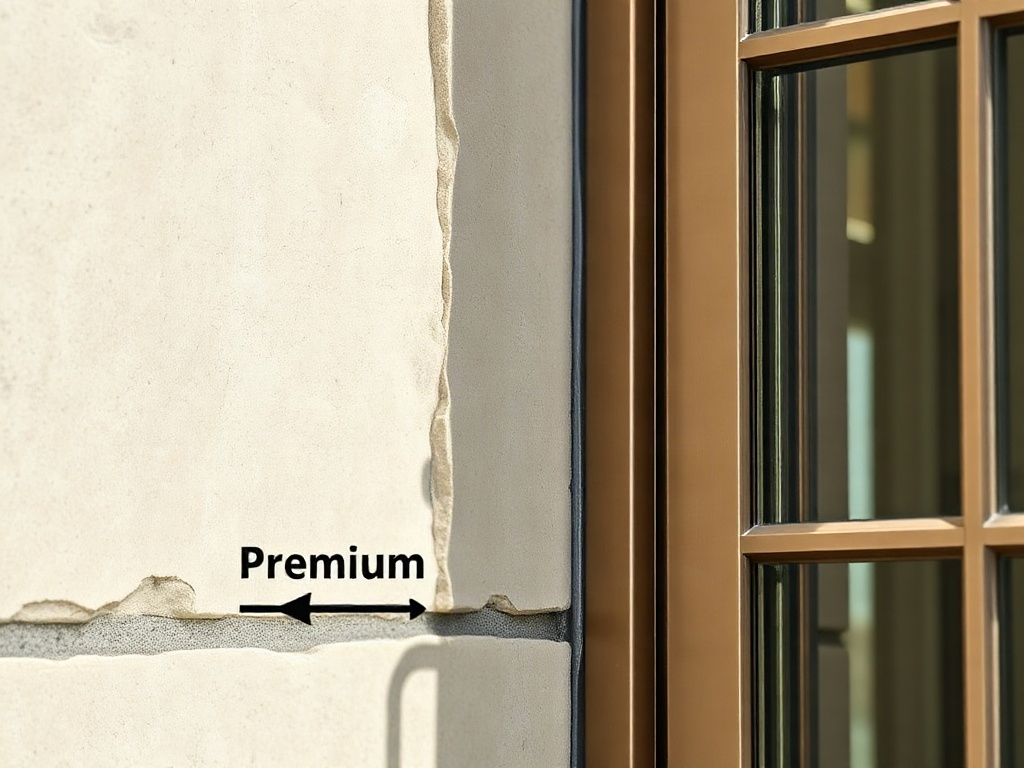
- Stucco and masonry exteriors: Time-tested in hot climates for a reason — they absorb and slowly release heat rather than transferring it instantly indoors.
Pairing the right heat resistant building materials with proper orientation — minimizing west-facing glass exposure — compounds your energy savings from day one.
Smart Insulation: Where Most Homes Fall Short
Most builders meet minimum code. That's not enough for South Texas. Insulation tips for South Texas start with thinking beyond the walls — attic insulation with an R-38 or higher rating is essential, as attics regularly hit 150°F in summer.
Radiant barriers installed in the attic add another layer of defense, reflecting heat before it ever loads your living space. Combined with a properly sealed building envelope, homeowners consistently see meaningful reductions when it comes to reducing electricity bills in RGV.
Ready to build a home designed for where you actually live? Contact EJS Trade to start your custom home consultation today.