Beat the RGV Heat: Insulation and Windows That Actually Work
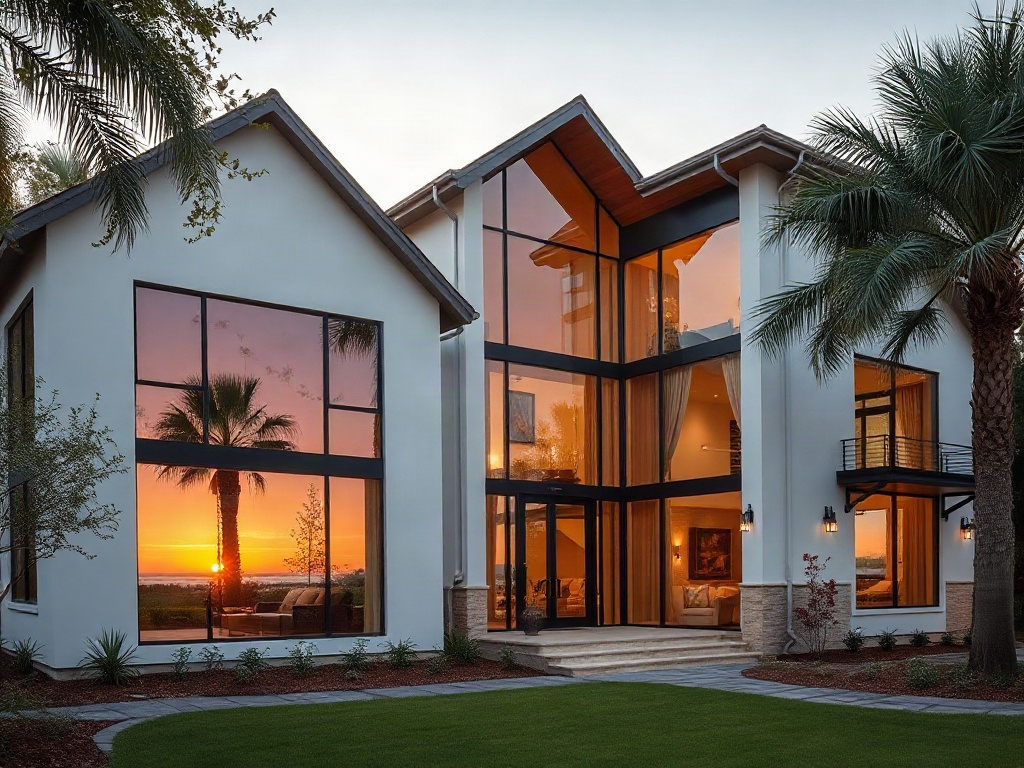
Why Standard Building Materials Fail in South Texas
The Rio Grande Valley doesn't just get hot — it stays hot. Months of 100°F days and relentless humidity demand more than code-minimum construction.
Most production builders use materials designed for moderate climates. In the RGV, that means your HVAC works overtime from June through September, and your energy bills show it.
The Right Systems for Subtropical Performance
Two upgrades separate a comfortable custom home from a costly one: spray foam insulation and high-performance window systems.
- Spray foam insulation (RGV): Closed-cell spray foam seals the thermal envelope completely — no gaps, no moisture intrusion, no energy loss. It outperforms batt insulation significantly in humid subtropical climates.
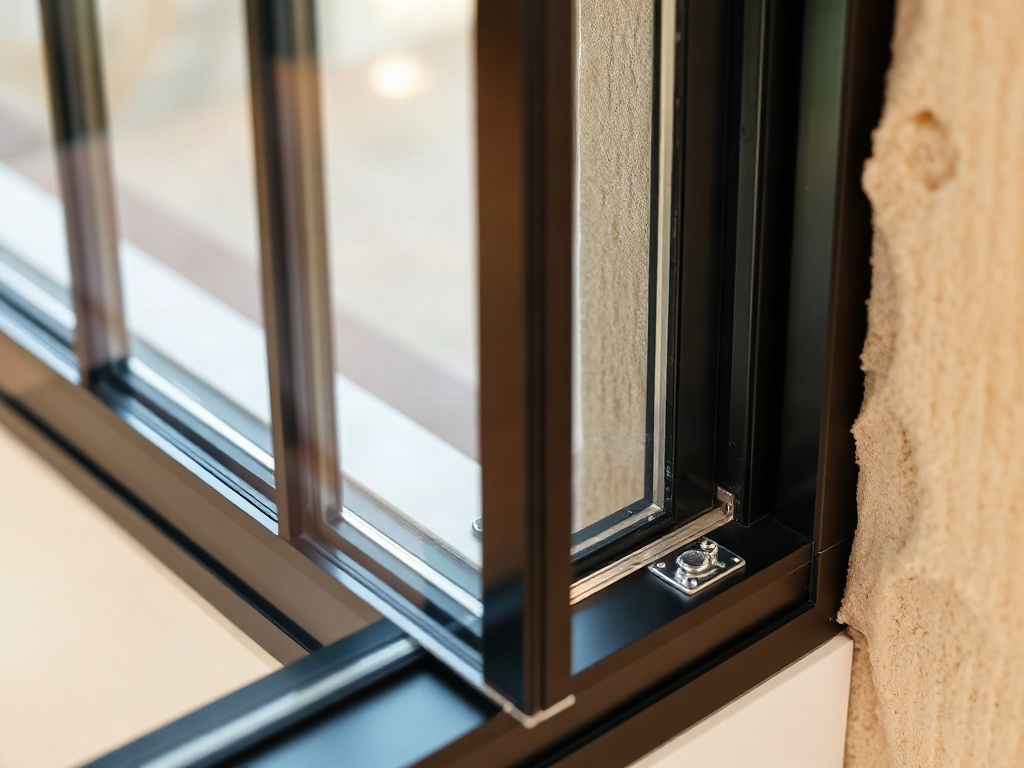
- Low-E impact windows: The best windows for hot climates block infrared heat before it enters your home. Look for dual-pane low-emissivity glass with a Solar Heat Gain Coefficient (SHGC) below 0.25.
- Proper window orientation: Strategic placement reduces direct sun exposure on west-facing walls — one of the simplest ways to cut cooling loads.
Together, these systems can dramatically reduce cooling costs in Texas without sacrificing comfort or natural light.
What This Means for Your Custom Build
Building energy-efficient homes in South Texas isn't about adding expensive extras — it's about making smart decisions from the start. The right envelope means a smaller HVAC system, lower utility bills, and a home that stays cool even when the grid is stressed.
At EJS Trade, every custom home is designed with the RGV climate in mind. From insulation spec to window selection, we build for the heat you actually live in — not the national average.
Ready to build smarter? Contact EJS Trade to start your custom home conversation today.