Beat the Valley Heat: Smart Roofing & Insulation for Rio Grande Valley Homes
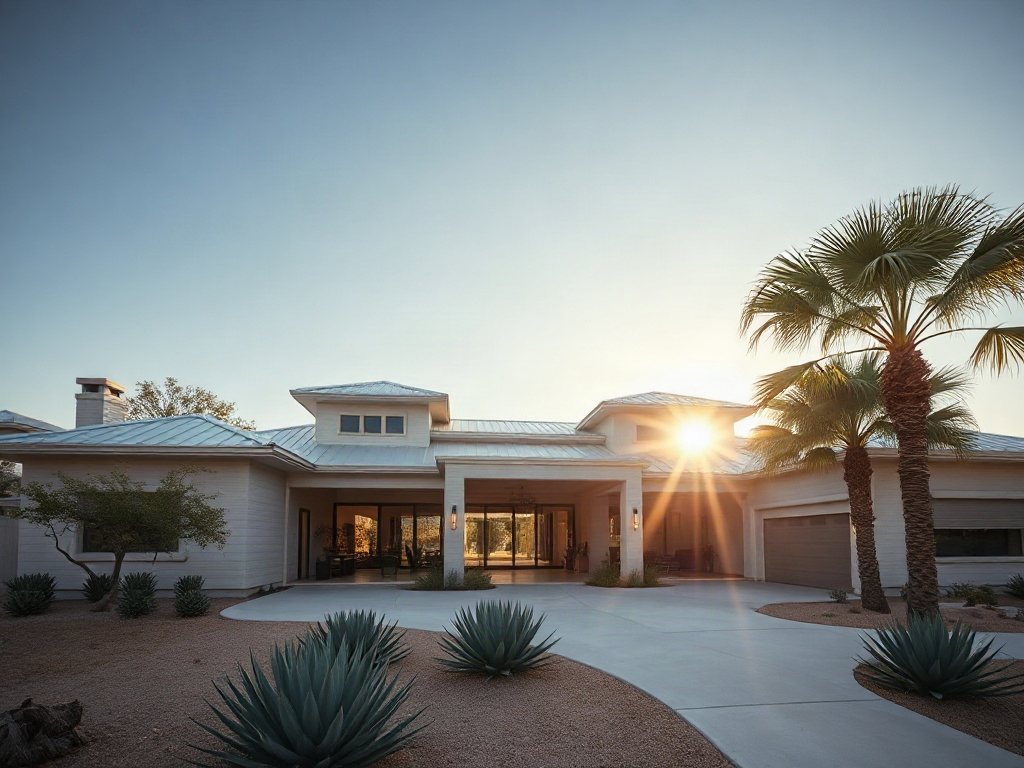
Why Your Roof and Insulation Work Harder Here
South Texas doesn't forgive a poorly built envelope. With summer temperatures routinely pushing past 100°F, the wrong roofing and insulation choices turn into monthly energy bills that sting for years.
Energy efficient roofing in the Rio Grande Valley isn't a luxury upgrade — it's a baseline requirement for a comfortable, cost-smart home.
The Materials That Actually Perform
Not all products are created equal for extreme heat. These are the materials worth your attention:
- Heat reflective roof shingles: Specially coated shingles deflect solar radiation before it ever enters your attic, reducing surface temperatures by up to 50°F compared to standard asphalt.
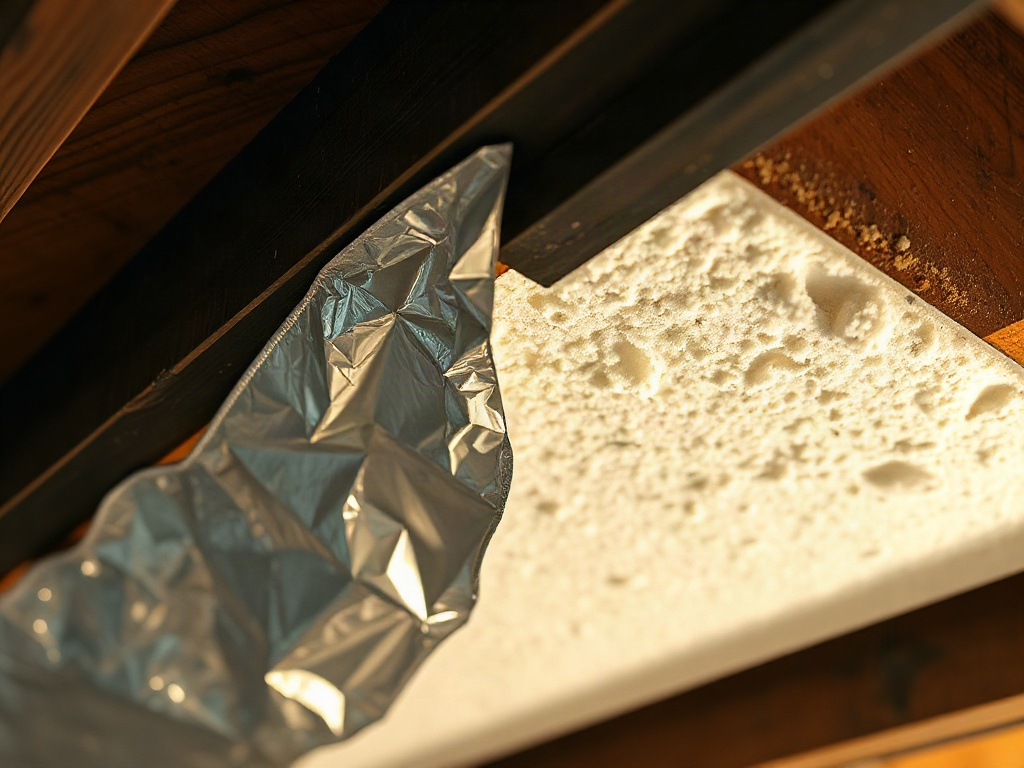
- Spray foam insulation: In the spray foam vs fiberglass debate for Texas homes, closed-cell spray foam wins on air sealing and moisture resistance — two critical factors in a humid RGV climate.
- Fiberglass batts: A cost-effective option for interior walls, best paired with spray foam in attic spaces where heat infiltration is most aggressive.
- Radiant barrier sheathing: Installed beneath the roof deck, this reflective layer blocks radiant heat from turning your attic into an oven.
The best insulation for a hot climate combines multiple systems — there's rarely a single silver bullet.
How It All Comes Together in a Custom Build
Material selection is only half the equation. Proper installation sequencing — roofing, air barrier, then insulation — determines whether those materials perform as designed or underdeliver from day one.
At EJS Trade, every custom home in the Rio Grande Valley is engineered with South Texas summers in mind. From the roof deck down to the wall cavity, we spec materials and methods that keep your home cool, efficient, and built to last.
Ready to build smarter? Contact EJS Trade and let's design a home that works with the Valley climate — not against it.